Posts

The Aging Brain: Exploring Cognitive Changes

Image
As we grow older, it's natural for our cognitive abilities to undergo some changes. These changes can manifest in various ways, including: Slower Processing Speed: It's common to experience a gradual decline in processing speed as we age. Tasks that once seemed effortless may take longer to complete, reflecting changes in information processing and neural efficiency.  Memory Challenges: Memory lapses become more prevalent with age, particularly episodic memory, which involves the recollection of specific events or experiences. While occasional forgetfulness is normal, significant memory impairment may indicate underlying cognitive issues. Executive Function Decline: Executive functions, which encompass abilities such as problem-solving, decision-making, and multitasking, may decline with age. This can impact daily activities that require planning, organization, and cognitive flexibility. The prevalence of non-dementia cognitive impairments in individuals 55-64 years old was as ...

Precision Nutrigeroscience: Nutrition for Longevity and Brain Health

Image
The pursuit of extended lifespan and improved health requires a deep understanding of the complex interplay between our diet and unique biological factors.  This is where precision nutrigeroscience emerges as a transformative approach, leveraging the power of biomarker identification and analysis to tailor dietary interventions. It embraces the diversity of human physiology, acknowledging that what works for one may not work for another, especially when it comes to nutrition. The varying impact of carbohydrates and fats on mortality is a testament to this complexity. Meat intake is linked to higher life expectancies, but the impact of carbohydrates and fats varies among individuals. While some thrive on higher carbohydrate diets, others may benefit from reduced carb intake. Similarly, the type of fats consumed (animal vs. plant-based) plays a significant role in health outcomes. The goal of precision nutrigeroscience is to decipher these individual needs and craft dietary recommend...

Aging, Immunity, and the Final Chapter

Image
New study demonstrated an association between individual immune cell subsets and mortality in a nationally representative sample of older adults (> 55 years) in the United States. Adaptive immune subsets (total T cells), innate subsets (NK cells (CD56LO) and neutrophils) were associated with 4-year mortality even after adjustment for biological age and chronic subclinical inflammation. An increase in the percentage of total T cells, certain CD4+ T cells (called Tn), and a specific subset of natural killer cells (NK LO) was linked to a reduced risk of death. Another type of immune cell subset (DC-M) showed a potential decrease in mortality risk, but this finding wasn't statistically significant. On the other hand, an increase in CD4+ Tem cells, IgD- Mem B cells, and neutrophils was associated with an increased risk of death. After adjusting for multiple comparisons, the associations that remained statistically significant were total T cells, NK LO cells, and neutrophils. NK LO ce...

The Importance of Stable Blood Pressure in Aging

Image
In a recent study led by researchers from the University of South Australia (UniSA), scientists have uncovered the profound impact of fluctuating blood pressure on the cognitive health of older individuals, shedding light on the connection between blood pressure variations and the risk of dementia and vascular issues in the elderly.  High blood pressure is well-known as a risk factor for dementia, but the study underscores the importance of addressing the often-overlooked issue of fluctuating blood pressure in clinical treatments. To understand the mechanisms connecting blood pressure fluctuations with dementia, the researchers recruited 70 healthy older adults, aged 60-80, without cognitive impairment. They carefully monitored participants' blood pressure, conducted cognitive tests, and employed specialized techniques to measure arterial stiffness in the brain and arteries. The study unveiled a striking revelation: higher blood pressure variability, whether within a single day or ...

Cognitive Reserve and Healthy Aging: Insights from Sardinia's Oldest-Old

Image
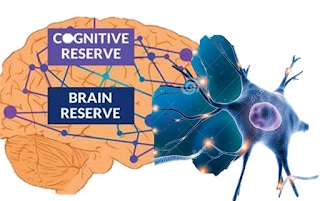
Ageing is an intricate journey marked by the ebb and flow of physical and cognitive capacities. As we advance in years, our bodies and minds undergo transformations, both subtle and profound. However, the ageing process is not uniform across individuals, and some extraordinary people manage to defy the odds, living well into their 90s and beyond. These individuals, known as nonagenarians and centenarians, offer a unique window into the mysteries of healthy aging. Sardinia's Blue Zone is renowned for its extreme longevity and unique characteristics—historical, geographic, social, linguistic, and nutritional. Within this captivating context, authors of a new study administered the Cognitive Reserve Index questionnaire (CRIq) and the short cognitive Esame Neuropsicologico Breve-2 (ENB-2) to 67 participants, all aged between 90 and 105 years old.  The study's findings provide compelling evidence of the positive relationship between cognitive reserve and cognitive performance, even...

A Century-Old Liver Saves a Life

Image
Liver transplantation is a life-saving procedure that has advanced significantly over the years. It's not just about finding a suitable donor; it's also about pushing the boundaries of medical science. A recent paper titled "First-in-human liver transplantation from a centenarian deceased donor after brain death" by Paolo De Simone and his colleagues has brought to light a remarkable feat in transplantation medicine.  The donor in this case was a 100-year-old female, a centenarian, who unfortunately met with a road accident leading to brain death. Despite her age, her medical records were surprisingly impressive. She had medically treated hypertension and diabetes mellitus, but her lab tests and CT scans were within the normal range. Her liver function was excellent, with liver enzymes and bilirubin levels well within the healthy range. These factors made her a suitable candidate for liver donation. The recipient, on the other hand, was a 60-year-old male suffering f...

Decoding the Age Within

Image
Chronological age, measured from the time of birth, has long been a standard metric in healthcare and aging research. However, it is an imperfect measure, lacking the nuanced information provided by biological age, which considers various genetic and environmental factors. Biological age estimates are generated through mathematical models that use biomarkers as predictors and chronological age as the output. The difference between biological and chronological age—known as the “age gap”—serves as a complementary indicator of aging, offering additional insights beyond the limitations of chronological age alone. The utility of the "age gap" becomes evident when examining its correlation with specific exposures, like lifestyle choices or pre-existing health conditions. For instance, in brain age estimation, neuroimaging biomarkers are used as predictors. The "brain age gap" between model-predicted age and chronological age serves as an avenue to study the impact of gene...